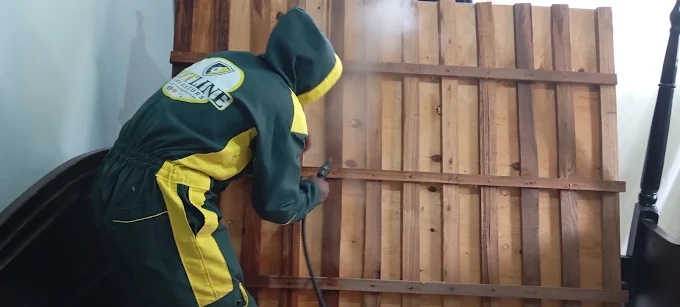
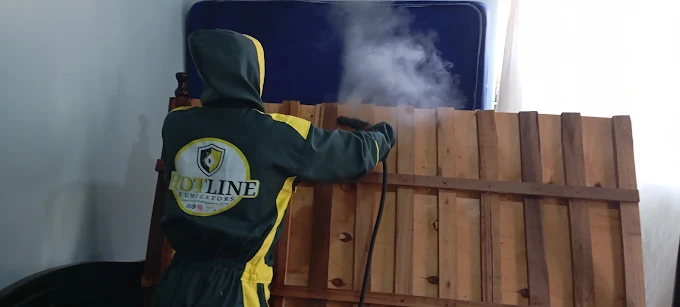
Few pest problems are as frustrating as bed bugs that seem to return shortly after treatment. Many homeowners, landlords and hotel managers assume that once bed bugs have been treated, the problem is gone forever. Unfortunately, infestations can reappear if the root causes are not addressed properly.
If you have recently treated your property and are still noticing bites, blood spots on bedding or live bed bugs, you are not alone. Understanding why bed bugs keep coming back is the first step toward complete elimination.
1. Bed Bug Eggs Survived the Treatment
The most common reason bed bugs return is surviving eggs. Many pest control products kill adult bed bugs but may not destroy every egg. A single female can lay hundreds of eggs during her lifetime, and these hatch within days or weeks, leading to a new infestation. This is why professional treatment often includes follow-up inspections and additional treatments when necessary.
2. Incomplete Treatment of Infested Areas
Bed bugs are experts at hiding. They can live in mattress seams, bed frames, furniture joints, curtains, carpets, electrical sockets, wall cracks and upholstery. If treatment fails to reach all hiding places, surviving bed bugs continue breeding and eventually become noticeable again.
3. DIY Methods Only Killed Visible Bed Bugs
Supermarket sprays may kill some visible bed bugs, but they rarely reach hidden infestations. DIY treatments often fail because bed bugs hide deep inside furniture, eggs remain unaffected, treatment is applied unevenly and hidden breeding sites are overlooked.
4. Reinfestation Through Travel
Travel is one of the most common ways bed bugs spread. They can hitchhike on luggage, clothing, backpacks and personal belongings. Even after successful treatment, bringing bed bugs home from hotels, hostels, buses or public transport can restart the infestation. Always inspect luggage and wash travel clothing in hot water after returning home.
5. Infested Furniture Was Not Treated
Second-hand furniture is a major source of bed bug infestations. Mattresses, sofas, chairs and bed frames can all harbor hidden bed bugs and eggs. If infested furniture remains untreated or is introduced after fumigation, bed bugs may quickly return.
6. Neighboring Units Have Bed Bugs
In apartments, hostels and shared housing, bed bugs can spread between units through wall voids, utility lines, plumbing systems and hallways. If neighboring rooms have active infestations, bed bugs can easily migrate back into treated spaces. This is why building-wide inspections are often recommended for apartment complexes.
7. Clutter Provides New Hiding Places
Bed bugs thrive in cluttered environments. Piles of clothes, cardboard boxes, books and storage containers all provide shelter. Excessive clutter makes inspections difficult and gives surviving bed bugs additional places to hide.
8. Follow-Up Treatment Was Skipped
Many severe infestations require more than one treatment. Because eggs may hatch after the initial treatment, follow-up inspections are often necessary to ensure complete elimination. Skipping recommended follow-up services allows surviving bed bugs to rebuild their population.
Signs Bed Bugs Are Returning
Watch for these warning signs:
- Unexplained itchy bites, especially after sleeping
- Blood spots on sheets
- Small dark stains on mattresses
- Shed skins
- Live bed bugs
Early detection is critical because small infestations are easier and less expensive to eliminate.
How to Prevent Bed Bugs from Returning
- Inspect regularly — check mattresses, furniture and bedding for signs of activity.
- Reduce clutter — remove unnecessary items that provide hiding places.
- Wash bedding frequently — use hot water to kill bed bugs and eggs.
- Inspect second-hand furniture — never bring used furniture home without proper inspection.
- Be careful while travelling — inspect hotel rooms and luggage before returning home.
- Schedule professional inspections — routine checks identify problems before they become severe.
Still Struggling with Bed Bugs?
Bed bug infestations are notoriously difficult to eliminate without professional assistance. If you continue seeing bed bugs despite your efforts, it is time to engage the experts. Call Hotline Fumigators on +254 715 945009 for professional bed bug fumigation in Nairobi.